

Seismic Assessments Explained: What Building Owners Need to Know
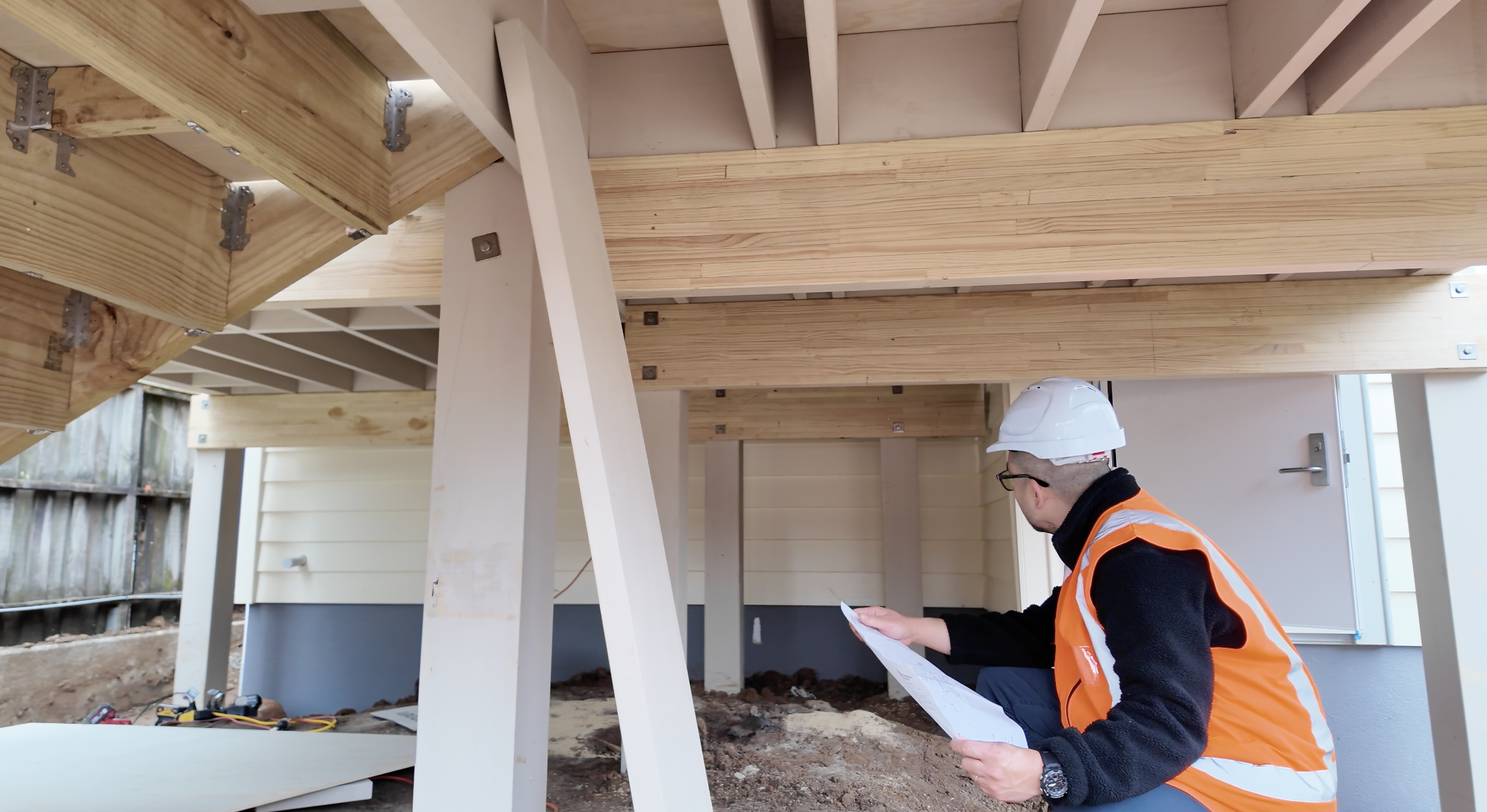
A seismic assessment is not simply about determining whether a building is “safe” or “unsafe”. It is a structured process for understanding how a building is expected to perform during an earthquake, identifying vulnerabilities, and determining whether further investigation or strengthening may be warranted. The appropriate level of assessment depends on the building’s age, construction type, use, structural system, available documentation, and the decisions the building owner needs to make.

What's the definition of deep retrofit?
A deep retrofit refers to a comprehensive renovation of an existing building aimed at dramatically improving its energy performance, typically targeting reductions in energy use of 50% or more compared to the building's pre-retrofit baseline (some definitions set the bar even higher, around 70-90%, especially for net-zero-ready outcomes).

Retrofitting Aotearoa: Why New Zealand's existing buildings are key to Net Zero by 2050
New Zealand has legislated a target of net zero carbon emissions by 2050, and its building stock is central to reaching it. The building and construction sector currently produces around 20% of New Zealand's emissions, much of it embodied in existing structures that will remain in use for decades to come.