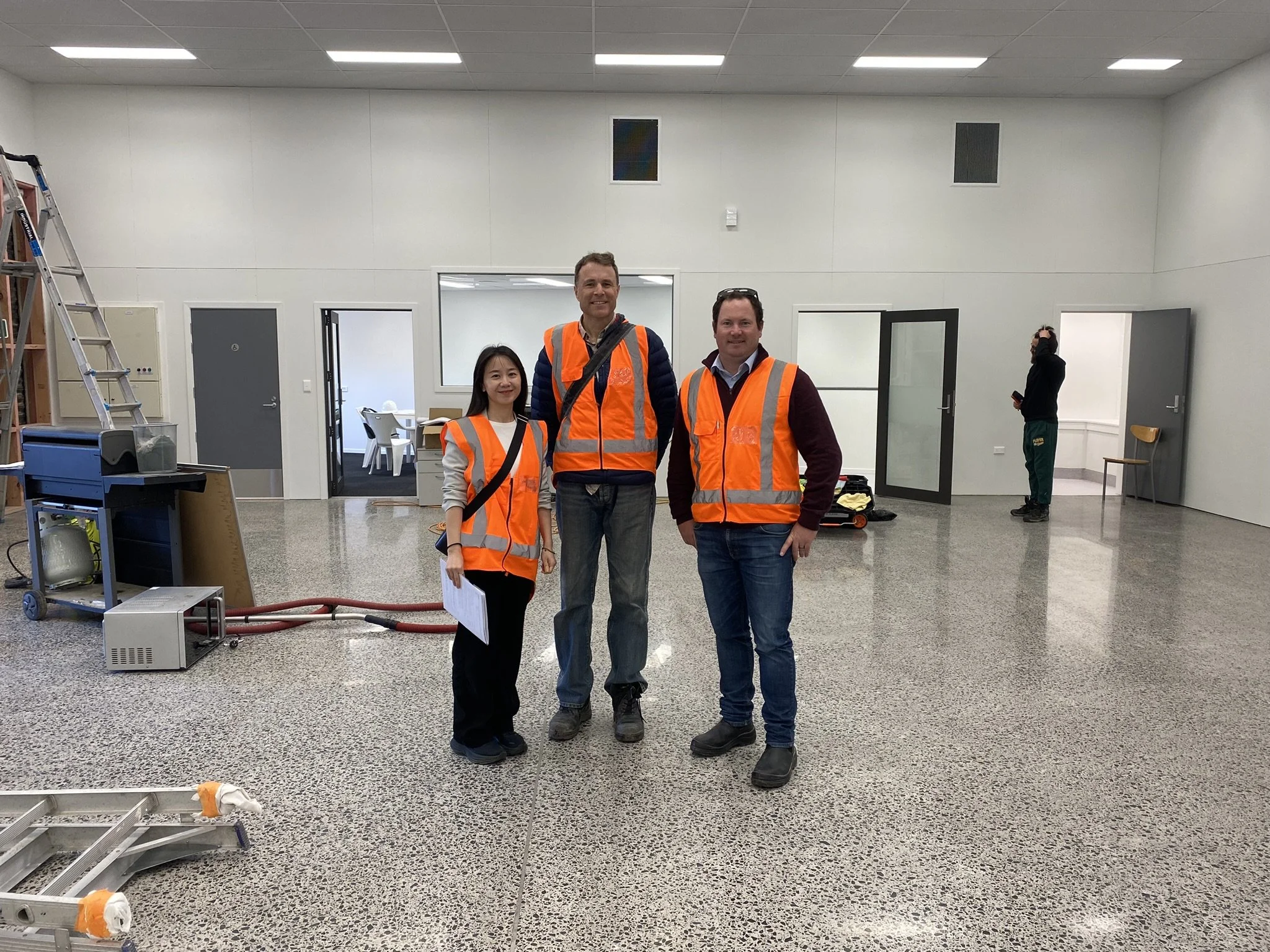
Project Overview
This project involved relocating a university's geological collection to an existing owned building, requiring the creation of a temperature-controlled environment to prevent deterioration. The design includes seismic upgrading, weathertightness improvements, and the accommodation of mixed-use spaces, while ensuring the collection's preservation. Hampton Jones was engaged during the main contractor tendering process to provide post-contract QS services.
How was this project challenging?
During the renovation of an existing building, several unforeseen challenges emerged only after construction commenced. For this project, this included the discovery of more water damage than expected to plasterboard linings, steel, and timber framing. Weathertightness issues were identified in the roof, and it was determined that the existing internal gutter needed to be replaced. This resulted in a substantial amount of additional work for a project of this size to be coordinated with and completed by the main contractor. Refurbishment project – uncertainty regarding the extent of remedial work; you never know what you will find after the GIB has been taken down
Project Outcome
Proactive and regular communication with the main contractor was maintained to effectively manage and forecast costs as they arose. Estimated financial impacts were requested, assessed, and reviewed early, enabling the client to make informed decisions regarding design changes and potential scope adjustments. The cost implications of the proposed mitigation works were promptly evaluated, with options analysed and presented to the client to support value-based decision-making. Ongoing cost tracking and reporting were undertaken to monitor emerging budget risks, ensuring transparency and enabling timely intervention where required. Where potential variations were identified, they were discussed early with the contractor and design team to minimise financial exposure and avoid unnecessary cost escalation. The project costs were being effectively managed and remained within the client’s budget.